Categories
Payroll

How Unison Globus Transforms Your Business with Comprehensive Payroll Solutions

In today’s fast-paced business environment, efficient payroll management is crucial for the smooth operation of any organization. Yet, managing payroll in-house can be a daunting task fraught with complexities and challenges. This blog will explore how Unison Globus’s comprehensive payroll solutions can transform your business, offering a seamless, efficient, and reliable alternative to in-house payroll management.
Unison Globus, a leader in financial outsourcing, specializes in providing top-notch accounting, taxation, and payroll services. With a team of experienced professionals and a commitment to excellence, Unison Globus ensures that your payroll processes are handled with the utmost precision and care. As one of the top payroll companies in the United States, Unison Globus offers business payroll services, online payroll services for accountants, payroll processing and management services for CPAs, making them a trusted partner for CPA payroll services.

Understanding Payroll Outsourcing

What is Payroll Outsourcing?

Payroll outsourcing involves hiring an external service provider to handle all aspects of payroll processing. This includes calculating employee wages, withholding taxes, ensuring compliance with labor laws, and more. By outsourcing payroll, businesses can focus on their core activities while ensuring that payroll tasks are managed efficiently. This is where business payroll services, such as those offered by Unison Globus, come into play, providing a reliable and effective solution.

Why Businesses Need Payroll Outsourcing

Businesses of all sizes can benefit from payroll outsourcing. It reduces administrative burdens, minimizes errors, ensures compliance with ever-changing regulations, and can be more cost-effective than maintaining an in-house payroll department. For CPA firms, online payroll services for businesses and payroll processing services for CPA firms provide specialized support, making payroll management services for CPAs an asset. By leveraging these CPA payroll services, businesses can enhance efficiency and focus on growth.

Experience the
Unison Globus difference !

Click here to revolutionize your payroll process instantly!

Contact

Challenges in Payroll Management

Common Challenges:

  • Complexity of Tax Compliance Navigating the maze of federal, state, and local tax regulations can be overwhelming. Staying up to date with these ever-changing rules is crucial to avoid penalties, making tax compliance a significant challenge for businesses. Online payroll services for accountants, like those offered by Unison Globus, can help simplify this complexity.
  • Risk of Errors Even minor errors in payroll processing can lead to significant financial penalties and employee dissatisfaction. Errors in calculating wages or tax withholdings can disrupt business operations and damage trust. Utilizing professional payroll processing services for CPA firms can mitigate these risks.
  • Time-Consuming Processes Payroll processing is time-intensive, diverting valuable resources from core business activities. The administrative burden can be substantial, especially for small and medium-sized enterprises. By outsourcing to business payroll services, companies can save time and focus on strategic growth.
  • Security Concerns Handling sensitive employee data in-house increases the risk of data breaches and fraud. Ensuring data security requires robust systems and constant vigilance. Payroll management services for CPAs provide enhanced security measures, safeguarding sensitive information effectively.

Impact on Business Operations

Mismanaged payroll can result in financial losses, legal issues, and a decline in employee morale. Businesses may also face reputational damage and operational disruptions due to payroll errors and non-compliance with regulations. By partnering with top payroll companies in the United States, like Unison Globus, businesses can avoid these pitfalls and ensure smooth, compliant payroll operations.

Unison Globus: A Solution to Your Payroll Challenges

How Unison Globus Can Help

Unison Globus offers a comprehensive suite of payroll services designed to address these challenges. By leveraging advanced technology and industry expertise, Unison Globus ensures accurate, timely, and compliant payroll processing. Their solutions cater to the unique needs of CPA firms and businesses, making them a leading provider of payroll management services for CPAs.

Detailed Explanation of Services

Payroll Processing Accuratecalculation and timely disbursement of employee wages are essential for maintaining employee satisfaction and compliance. Unison Globus’s payroll processing services ensure that wages are calculated correctly and disbursed on time, every time.
Tax Filing and Compliance Ensuringadherence to all federal, state, and local tax regulations is a complex task. Unison Globus handles tax filings with precision, ensuring compliance and minimizing the risk of penalties.
Labor Law Compliance Stayingupdated with the latest labor laws is crucial to avoid penalties. Unison Globus’s team ensures that your payroll processes comply with all relevant labor laws, protecting your business from legal issues.
Risk Management Implementingrobust security measures to protect sensitive data is a top priority. Unison Globus employs advanced security protocols to safeguard your payroll information, ensuring that your data is protected from breaches and fraud.

Benefits of Unison Globus Payroll Services

  • Cost Savings Reducing the costs associated with maintaining an in-house payroll department is one of the primary benefits of outsourcing. Unison Globus provides business payroll services that are cost-effective, allowing you to allocate resources more efficiently.
  • Efficiency Streamlined processes and reduced administrative burden are key advantages of outsourcing payroll. Unison Globus’s payroll processing services for CPA firms enhance efficiency, enabling your team to focus on more strategic tasks.
  • Accuracy and Compliance Minimizing errors and ensuring full compliance with regulations are critical for smooth payroll operations. Unison Globus’s services are designed to achieve high accuracy and compliance, reducing the risk of costly mistakes.
  • Focus on Core Activities Freeing up internal resources to focus on strategic business activities is a significant advantage of outsourcing. By partnering with Unison Globus, you can direct your attention to growing your business and serving your clients better.

Addressing Potential Disadvantages

Potential Disadvantages

Loss of Control Some businesses fear losing control over payroll processes when outsourcing. However, Unison Globus offers transparent operations and regular reporting, ensuring you remain informed and in control. By utilizing CPA payroll services, businesses can keep a close eye on all payroll activities through detailed and regular updates.
Data Security Concerns Worries about the security of sensitive employee data are common. Unison Globus addresses these concerns with stringent security measures, adhering to international standards to protect your data. Their online payroll services for accountants incorporate advanced encryption and security protocols to safeguard all information.

How Unison Globus Addresses These Concerns

Unison Globus provides full transparency in payroll operations, allowing businesses to maintain oversight and control. Detailed reporting and open communication channels ensure that you are always up to date with payroll activities. Additionally, robust security protocols and compliance with international standards ensure that all data is handled securely. As one of the top payroll companies in the United States, Unison Globus prioritizes data security and operational transparency.

Best Practices for Outsourcing Payroll with Unison Globus

  • Clear Communication Establishing clear communication channels is essential to ensure smooth collaboration. Regular updates and open lines of communication help in addressing any concerns promptly.
  • Defined Processes Setting up well-defined processes and expectations from the outset is crucial. Clearly outlining the workflow helps in maintaining efficiency and avoiding misunderstandings.
  • Regular Reviews Conducting regular reviews to ensure that the service meets your business needs is important. Periodic evaluations help in identifying areas for improvement and ensuring that all requirements are met.
  • Employee Training for internal staff on how to interact with the outsourced payroll provider effectively is vital. Proper training ensures that your team can collaborate seamlessly with Unison Globus, maximizing the benefits of outsourced payroll services.

Efficient payroll management is vital for the success of any business. By partnering with Unison Globus, you can overcome the challenges associated with payroll processing and focus on what truly matters—growing your business. Consider Unison Globus for your payroll needs and experience the benefits of seamless, compliant, and efficient payroll management.

Key Takeaways

Leader in Financial Outsourcing:Unison Globus excels in accounting, taxation, and payroll services, positioning itself as a top payroll company in the United States.
Experienced Professionals: With a team dedicated to excellence, Unison Globus ensures payroll processes are handled with precision and care.
Comprehensive Payroll Services:Unison Globus offers business payroll services, online payroll services for accountants, payroll processing services for CPA firms, and payroll management services for CPAs, making it a trusted partner for CPA payroll services.
Expertise in Payroll Outsourcing:Unison Globus addresses complexities in payroll management, including tax compliance, error reduction, time management, and data security, using advanced technology and industry expertise.
Benefits of Outsourcing:Partnering with Unison Globus leads to cost savings, increased efficiency, accuracy, compliance, and allows businesses to focus on core activities.
Mitigating Potential DisadvantagesUnison Globus tackles concerns of control loss and data security through transparent operations, regular reporting, and stringent security measures adhering to international standards.
Best PracticesClear communication, defined processes, regular reviews, and employee training ensure a smooth and effective payroll outsourcing experience with Unison Globus.
Categories
Tax Preparation

Maximizing Deductions and Credits: A Comprehensive Guide to Tax Savings

For CPAs and financial firms, the complex landscape of U.S. tax regulations offers both challenges and opportunities. Navigating the labyrinth of tax laws can be daunting, but understanding how to maximize deductions and credits can lead to significant savings. This comprehensive guide provides essential insights and strategies to help individuals and businesses not only comply with tax requirements but also capitalize on opportunities to reduce their tax liability.

Understanding Tax Deductions and Credits

Tax Deductions serve to reduce your taxable income, effectively lowering your overall tax liability. Prominent tax deductions include payments towards mortgage interest, state taxes, and charitable contributions—elements crucial for American taxpayers aiming to optimize their financial profiles. These deductions not only lessen the amount of income subject to taxation but also align with personal and community investments.

Tax Credits, in contrast, are subtracted directly from the total amount of tax owed, providing direct, dollar-for-dollar tax relief. Notable credits include the American Opportunity Tax Credit and credits for making energy-efficient upgrades to residential properties, such as installing solar panels or purchasing high-efficiency appliances. These incentives are designed to encourage educational advancement and sustainable living among U.S. residents.

Read also: Tax Planning For Individuals : The Proven Guide

Ready to maximize your
tax savings?

Click Here to start with Unison Globus today and transform your tax process!

Contact

Strategies for Maximizing Deductions

  • Itemize Deductions: Opting for itemized deductions over the standard deduction can amplify tax savings for those with substantial deductible expenses. Areas often itemized include healthcare costs, tax preparation fees, and property taxes.
  • Timing Expenses: Managing the timing of significant expenses can enhance deductible amounts. A strategic move such as prepaying a forthcoming year’s property tax or scheduling medical procedures within a single fiscal year can aggregate deductions, maximizing tax returns.
  • Maximize Charitable Contributions: Documenting every charitable donation, including those not in cash, such as goods or stocks, is essential. The IRS requires detailed records for all donations, making thorough documentation paramount to justifying these deductions.

Leveraging Tax Credits

  • Education Credits: Capitalize on education-related tax credits such as the Lifetime Learning Credit, which supports lifelong learning and professional development, crucial for maintaining competitiveness in today’s economy.
  • Energy Credits: Investing in energy conservation through upgrades like energy-efficient HVAC systems not only cuts utility costs but also qualifies for significant tax credits, promoting environmentally friendly investments.
  • Small Business Credits: For small business owners, leveraging specific tax credits like the Small Employer Health Insurance Premiums Credit can significantly reduce the costs associated with providing health benefits to employees.

Avoid Common Pitfalls

  • Documentation and Receipts: Maintaining detailed and organized financial records is indispensable. A lack of proper documentation can result in the disqualification of valuable deductions and credits during an audit by the IRS.
  • Understand the Limits: Being well-informed about the limits and qualifications for each deduction and credit is crucial. This knowledge helps avoid costly errors and ensures maximum tax benefit realization.

Advanced Tactics for Business Owners

Business owners face unique challenges and opportunities with tax deductions and credits:

  • Depreciation Strategies: Utilizing advanced depreciation methods can defer income taxes and enhance cash flow, essential for reinvestment and growth.
  • Employment Credits: Hiring from specific demographic groups that face significant barriers to employment can qualify businesses for valuable tax credits under initiatives like the Work Opportunity Tax Credit.

Conclusion

In the intricate landscape of U.S. tax regulations, the ability to expertly navigate and optimize tax deductions and credits stands as a cornerstone of financial expertise. For CPAs and financial firms, this guide has outlined not only the foundational elements of tax savings—such as maximizing deductions on mortgage interest, state taxes, and charitable contributions, and leveraging direct tax credits for education and eco-friendly investments—but also strategic maneuvers that can substantially enhance the fiscal outcomes for clients.

Effective tax management involves meticulous planning and execution. From choosing to itemize deductions to understanding the optimal timing for expenses and strategically documenting every charitable contribution, these actions require a high level of expertise and organizational skill. Similarly, leveraging tax credits must be approached with an informed understanding of eligibility and limits to ensure that all available benefits are fully realized, thereby providing tangible savings and incentives for sustainable and educational investments.

For business owners, the landscape becomes even more complex. Advanced tactics like employing varied depreciation strategies and tapping into employment credits necessitate a nuanced grasp of tax law and proactive financial planning. The potential to significantly impact a company’s financial health through these methods underscores the importance of sophisticated tax strategies and the need for expert guidance.

As your operations grow and the intricacies of tax obligations strengthen, partnering with a seasoned outsourcing firm like Unison Globus can transform challenges into opportunities. Unison Globus offers the expertise to navigate these complexities, ensuring that your tax strategies are not only compliant but optimized for maximum benefit.

Choose Unison Globus as your trusted outsourcing partner to capitalize on our expertise in accounting, taxation, and strategic financial management, and let us help you transform tax planning from a daunting task into a competitive advantage. Reach out today to enhance your capabilities and ensure your clients receive the most advantageous financial guidance available.

Categories
Tax Preparation

Relaxation Returns: How to Unwind After the Tax Season

As the tax season concludes, CPAs and accounting firms throughout the United States make a significant shift from the rigorous demands of tax filings to a period of essential relaxation. Unison Globus recognizes the profound impact of this transition on professionals in the industry. We provide targeted, practical assistance to facilitate your unwinding process effectively. Leveraging our extensive expertise in accounting, taxation, and outsourcing, we aim to serve as your steadfast partner, helping you navigate the complexities of the post-tax season landscape with precision and ease. Our commitment is to ensure that you reclaim balance and prepare for upcoming challenges rejuvenated and with renewed focus.
Understanding Post-Tax Season Fatigue
The conclusion of tax season often marks a period of considerable mental and physical depletion for many accounting professionals. The relentless deadlines, intricate client demands, and prolonged periods of intense focus required during this time can significantly drain your energy reserves, leaving you feeling exhausted on multiple levels. It is imperative to acknowledge and understand the symptoms of this post-tax fatigue—such as persistent tiredness, difficulty concentrating, or a lack of motivation—which are common but critical signals that your body and mind need rest and recovery.
Addressing these signs promptly is not merely beneficial; it is essential for restoring your overall health and ensuring sustained productivity and professional efficacy. Ignoring these symptoms can lead to a prolonged recovery period, potentially affecting your performance in the upcoming fiscal periods. Thus, recognizing and acting upon these indicators of exhaustion is the first step toward revitalizing your well-being and ensuring you remain at the peak of your professional capabilities. This proactive approach not only aids in quicker recuperation but also fortifies your resilience against future stresses.
Effective Strategies for Post-Tax Relaxation
  • Embrace Physical Wellness: Integrating physical activity into your routine is vital. Consider yoga, meditation, or simple aerobic exercises as ways to refresh your body and clear your mind. These activities are not just beneficial for physical health; they also provide mental clarity and stress relief, making them perfect for relaxing after tax deadlines.
  • Reestablish Work-Life Boundaries: After a period of intense work focus, setting clear boundaries is essential for maintaining balance. Designate times for work and relaxation, ensuring that your personal time is preserved, which is crucial for de-stressing after taxes.
  • Rediscover Personal Interests: Tax season often requires setting aside personal hobbies and interests. Now is the time to reconnect with these activities, which can be significantly restorative and fulfilling.
  • Pursue Professional Growth: The quieter post-tax season is an ideal time for professional development. Engage in activities that enhance your skills and knowledge, such as attending webinars or enrolling in courses relevant to accounting and taxation.
  • Schedule Time Away: Taking a vacation or even a short break can dramatically aid in your recovery process. Such escapes are essential for mental refreshment and can provide a new perspective upon your return.
  • Limit Digital Engagement: Consider a digital detox to reduce reliance on electronic devices, which can be a significant source of stress. Reducing screen time can help improve focus and decrease anxiety.

Experience the ease of
tax preparation with Unison Globus.

Start Now and let our experts handle your tax needs!

Contact

Year-Round Wellness Integration
To maximize the benefits of post-tax season recovery, it is crucial to integrate the outlined relaxation and wellness strategies into a consistent, year-round wellness plan. This approach ensures that wellness is not just a reactionary measure following intense periods but a foundational aspect of daily professional life.
Regular engagement in wellness activities—such as scheduled physical exercise, mindfulness practices, and structured work-life boundaries—plays a pivotal role in preventing burnout. These activities contribute to a more balanced lifestyle, helping to sustain energy levels and mental clarity throughout the year. Moreover, by maintaining a focus on wellness consistently, you can enhance your overall productivity and job satisfaction. This continuous attention to well-being not only boosts your capacity to tackle professional challenges but also enriches your personal life, leading to a more fulfilled and balanced existence.
Incorporating these practices requires thoughtful planning and commitment. It may involve setting specific times each week for physical activities, designating daily periods for mental health breaks, and periodically assessing your professional boundaries to ensure they still meet your personal and professional needs. By doing so, you foster a resilient framework that supports both your career ambitions and your personal health, ensuring you remain productive and satisfied in all facets of life.
In The End
At Unison Globus, we advocate for a balanced approach to professional and personal life, especially following the taxing demands of the tax season. Implementing these post-tax relaxation tips will not only aid in your immediate recovery but also contribute to your sustained health and professional success. We are dedicated to supporting our clients through their entire professional journey, ensuring they thrive in all aspects of accounting, taxation, and outsourcing
Thank you for placing your trust in us. Together, let’s move forward with renewed energy and a balanced approach to the challenges ahead. Stay connected with Unison Globus for ongoing insights and support that caters to the unique needs of the accounting profession. Let us help you turn the lessons learned from this tax season into cornerstones for a healthier, more productive professional journey.
Categories
Tax Preparation

IRS Tax Season 2024: Exploring Extended Services and Digital Tool Advancements

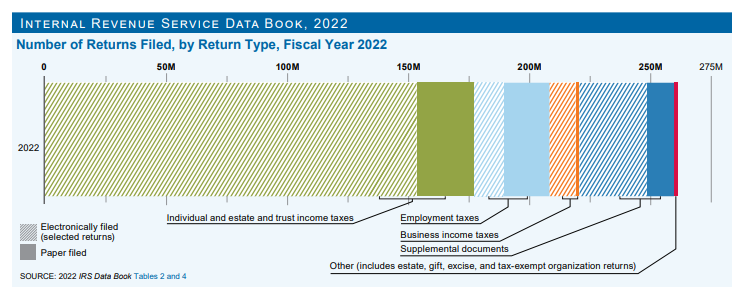
As the calendar turns to 2024, the Internal Revenue Service (IRS) embarks on a pivotal tax season, equipped with new strategies and resources aimed at enhancing taxpayer support. This year, the IRS opens its doors to a season of change, welcoming over 146 million individual tax returns by the April 15 deadline. These efforts symbolize a significant shift in how the IRS plans to manage the influx of filings and taxpayer inquiries.
In a notable move increased by additional funding from the Inflation Reduction Act, the IRS is extending service hours at nearly 250 of its in-person Taxpayer Assistance Centers across the nation. This expansion is a direct response to the increasing demand for accessible and efficient tax assistance. Simultaneously, the IRS is diligently enhancing its phone services and online tools, particularly the “Where’s My Refund?” platform, which is set to provide more comprehensive updates to taxpayers eagerly tracking their refunds.
However, these advancements do not come without their challenges. The IRS is currently navigating the complexities of a tax extenders bill coursing through Congress, which could bring significant changes to the Child Tax Credit and several business-related tax provisions. These potential legislative alterations add a layer of uncertainty to an already intricate tax landscape.
Amidst this backdrop of change and challenge, IRS Commissioner Danny Werfel emphasizes the gravity
of the tax season's commencement. "The start of a tax season is an important day for the nation and for
the IRS," Werfel remarks, highlighting the extensive preparations behind the scenes at the IRS.
Months of planning, programming, and testing culminate in the kick-off of the filing season, underscoring the IRS’s commitment to facilitating a smooth and efficient process for taxpayers. As Werfel notes, the tax season is not just a bureaucratic exercise but a fundamental right of citizenship, integral to the nation’s functioning.
In this blog, we will explore the IRS’s latest initiatives, the challenges they aim to address, and the broader implications for taxpayers and the tax community. Join us as we route the hints of the 2024 tax season, a period poised to redefine the tax filing experience.
The IRS’s Proactive Approach: A Statistical Overview
The IRS is set to handle an impressive 146 million tax returns by April 15, 2024, highlighting a critical demand for operational efficiency and accuracy. With Inflation Reduction Act funds, the agency is boosting services at 250 Taxpayer Assistance Centers nationwide, significantly enhancing in-person taxpayer support.
This expansion isn’t just about more hours; it’s a quality upgrade in taxpayer assistance, directly addressing the complexity of tax filing needs.
IRS Commissioner Danny Werfel underscored the importance of this season, stating, “The start of a tax season is an important day for the nation and for the IRS.” He highlighted the extensive IRS efforts in preparing for this season, showcasing a commitment to a seamless tax filing experience.
Despite these efforts, challenges loom, particularly with pending legislation that may impact key tax credits. However, the IRS stands ready to implement any new changes swiftly.
To further facilitate the filing process, phone services have been enhanced, and the “Where’s My Refund?” feature has been introduced to offer taxpayers better, more specific information. The IRS’s steps this season reflect its evolving role, focusing on better service and adapting to the dynamic tax landscape, demonstrating a commitment to taxpayer-centric initiatives and continuous improvement.
Understanding the Impact of New Resources and Tools
The IRS is revolutionizing its digital interaction for the 2024 tax season, notably through developments to the “Where’s My Refund?” online platform. This tool is poised to offer more in-depth insights for taxpayers tracking their tax refunds, marking a significant leap in digital service quality. This upgrade is a key element in the IRS’s initiative to make tax filing and refund tracking processes more transparent and user-friendly.
The enhanced “Where’s My Refund?” is not just an improvement; it’s a response to the growing need for digital efficiency in tax administration. By providing detailed, easy-to-understand updates, the IRS aims to streamline the experience for millions of taxpayers eagerly awaiting their refunds. This move is in line with the modern taxpayer’s expectations for accessible and responsive online services.
These digital improvements also signify the IRS’s commitment to adapting to technological advancements, ensuring their services meet the evolving needs of a digitally oriented public. The focus on enriching online tools underscores the IRS’s dedication to a taxpayer-centered approach, prioritizing ease of use and clarity in their digital interactions.
These enhancements to online resources such as “Where’s My Refund?” demonstrate a strategic move towards a more efficient, transparent, and approachable tax filing system, catering to the needs of the contemporary taxpayer.
Facing the Challenges Head-On
While the IRS strides forward with digital enhancements, it concurrently navigates through a depth of legislative complexities. A significant challenge is the looming tax extenders bill in Congress, a legislation that could significantly reshape aspects like the Child Tax Credit and various business tax provisions. This bill represents a substantial layer of uncertainty for the tax landscape, necessitating a high degree of adaptability and vigilance from tax professionals.
This potential shift in tax legislation underscores the ever-evolving nature of tax law and the need for tax professionals to stay active. The possible changes could have wide-ranging impacts, affecting everything from individual tax liabilities to business tax strategies.
“For tax professionals, this means staying abreast of legislative developments is more crucial than ever”.
The IRS, for its part, is preparing to respond swiftly to any changes. Their readiness to adapt to new regulations demonstrates their commitment to maintaining a stable and responsive tax system.
“For tax professionals and taxpayers alike, it’s a reminder of the importance of being informed and prepared for shifts in tax policy”.
This scenario, while challenging, also presents an opportunity for tax professionals to showcase their expertise and adaptability. Directing through these legislative changes, they can provide invaluable guidance to their clients, helping them understand and adjust to any new tax realities.
IRS Commissioner’s Perspective
During the 2024 tax season, IRS Commissioner Danny Werfel has placed a significant emphasis on the role of this period in the national context. He regards the tax season as a unique right of citizenship,” a statement that underscores the fundamental importance of this annual process. His perspective highlights the IRS’s comprehensive efforts to streamline the tax filing procedure, emphasizing the agency’s commitment to an efficient and effective system.
Commissioner Werfel’s remark about the tax season being a crucial function for the nation reflects a deep understanding of the IRS’s role in the larger societal framework. It acknowledges the responsibility the IRS holds in managing a system that affects nearly every citizen. His anticipation of issuing more than $300 billion in refunds this year is indicative of the vast scale of operations undertaken by the IRS. This figure alone underlines the magnitude and impact of the tax season on both individual taxpayers and the broader economy.
The Commissioner’s insights provide a valuable perspective on the tax season. They serve as a reminder of the criticality of the IRS’s work and its direct implications for millions of Americans. This viewpoint reinforces the importance of the IRS’s ongoing initiatives to enhance taxpayer services and adapt to legislative changes, ensuring the tax season runs as smoothly as possible for all involved.
The Financial Implications and Future Plans
As the IRS advances its operations for the 2024 tax season, financial considerations and future planning are at the forefront. The agency is actively working to prevent potential funding cuts that could significantly impact its operations. A notable financial challenge is the reduction in extra funding, which was initially set at $80 billion over ten years but has been cut by about $20 billion. Despite these budgetary constraints, the IRS maintains a steadfast commitment to continuous improvement and efficiency in its services.
IRS Commissioner Danny Werfel has pointed out the critical difference that adequate funding makes in the functionality and effectiveness of the IRS. This sentiment is echoed throughout the tax community, underlining the importance of financial support for the agency’s success. A well-funded IRS is not just a matter of maintaining current operations but is integral to implementing advancements and improvements in taxpayer services.
Looking to the future, the IRS’s commitment despite budget cuts reflects a proactive approach to adapting and optimizing its operations. The agency’s focus on future readiness and adaptability, even in the face of financial challenges, demonstrates its dedication to serving the public and ensuring a smooth tax season. This dedication also signals the IRS’s intent to continue evolving and enhancing its services, ensuring that it remains responsive to the needs of taxpayers and the ever-changing tax landscape.
The IRS’s Response to Legislative Changes
The IRS is showcasing its agility and expertise as it prepares for potential shifts in tax legislation, particularly concerning the tax extenders bill. This bill, if passed, would introduce changes in key tax provisions, necessitating a prompt and effective response from the IRS.
IRS Commissioner Danny Werfel has confidently stated that the IRS is well-equipped to implement any new tax provisions swiftly following their enactment.
This readiness is crucial in ensuring that the implementation of legislative changes causes minimal disruption to taxpayers and tax professionals alike. Werfel’s assurance reflects the IRS’s resilience in adapting to legislative shifts. The agency’s ability to quickly update and modify its operations in response to new laws is a critical component of its commitment to maintaining a stable and reliable tax system. This responsiveness is not only about reacting to changes but also about anticipating and preparing for them, demonstrating a proactive approach to tax administration.
The IRS’s preparedness for legislative changes is a key factor in ensuring a seamless transition for taxpayers and a smooth continuation of services. It highlights the agency’s in-depth understanding of the tax code and its implications, further emphasizing the IRS’s role as a competent and dependable authority in tax matters.
Enhanced Customer Service and Digital Initiatives
The IRS is on track to significantly enhance its customer service, aiming for an 85% service level on its main phone line, a notable leap from previous years. This ambitious goal reflects the agency’s dedication to improving taxpayer interaction and support. The initiative is expected to reduce wait times and improve the overall efficiency of phone-based assistance, which has been a point of contention in the past.
In addition to phone services, the IRS is making substantial progress in expanding in-person assistance. This expansion is an acknowledgment of the diverse needs of taxpayers, some of whom prefer or require face-to-face support. By increasing the availability of in-person help, the IRS is catering to a broader range of taxpayer preferences and scenarios, making tax processes more accessible.
Another key development is the advancement of the IRS’s Paperless Processing Initiative. This program represents a significant stride towards modernizing the tax filing and processing system. Going beyond mere digitization, this initiative is about transforming the tax experience into one that is more streamlined, less intimidating, and more environmentally friendly. By enabling electronic submission of forms and correspondence, the IRS is not only simplifying processes but also reducing the paper burden for both the agency and taxpayers.
INSIGHTS: By Filing Season 2024, taxpayers will be able to digitally submit all correspondence, non-tax forms, and responses to notices.
These initiatives collectively signify a shift in the IRS’s approach towards customer service and digital transformation. They are not just about adopting new technologies but also about rethinking and redesigning the taxpayer experience. The IRS’s efforts in these areas are crucial in making tax filing and processing more efficient, user-friendly, and less daunting for millions of Americans.
The Role of Technology in Tax Administration
The IRS is making significant advancements in integrating technology into tax administration, as exemplified by the latest updates to the “Where’s My Refund?” tool. This tool has been enhanced with voice bot technology, representing a leap forward in taxpayer interaction and convenience. The incorporation of voice bot technology into this widely used tool exemplifies the IRS’s commitment to leveraging modern solutions to improve taxpayer experiences.
The enhanced “Where’s My Refund?” is designed to provide clearer and more detailed information, making it easier for taxpayers to get the answers they need without direct contact with the IRS. This feature aims to streamline the information-gathering process, reducing the need for taxpayers to rely on traditional, often time-consuming, methods of communication with the IRS for basic inquiries.
This step towards technological integration in tax administration is part of a larger trend within the IRS towards digital transformation. By adopting technologies like voice bots, the IRS is not only modernizing its approach but also making tax-related processes more efficient and user-friendly. These technological initiatives are crucial in adapting to the evolving expectations of taxpayers in a digital age, ensuring that the IRS stays at the forefront of customer service and operational efficiency.
A New Era In the 2024 tax season, the IRS is clearly focused on meeting the evolving needs of taxpayers and professionals. Key strategies include implementing advanced technologies, enhancing customer service, and preparing for legislative updates. These efforts are central to effectively managing the tax season. Both tax professionals and taxpayers benefit from staying informed and adaptable, ensuring a smoother and less stressful tax experience.